

Promoting responsible purchasing practices of botanical supply chains
In 2023 - 2024 UEBT carried out a supply chain due diligence project, with support from the Initiative for Sustainable Agricultural Supply Chains and Deutsche Gesellschaft für Internationale Zusammenarbeit (GIZ) GmbH (See INA’s webpage on the project here)
Background
Botanicals play a crucial role in the livelihoods of many smallholder farmers around the world. Additionally, botanicals contribute to the conservation and sustainable use of biodiversity, with responsible practices that can help preserve a range of plant species, soil conditions and functions, etc. However, farming and harvesting practices often do not pay attention to biodiversity. Additionally, there may be reponsible sourcing risks linked to low wages, human rights violations and other social challenges. Even as more and more companies adopt due diligence systems and responsible purchasing practices, understanding and addressing these risks generally requires sectoral, pre-competitive collaboration.
Project activities
The project worked to promote inclusive and practical tools for responsible purchasing practices, including:
Participatory risk assessments in India and Egypt
Engaging local supply chain actors is essential for due diligence to improve practices on the ground. This requires enhancing mutual understanding among supply chain actors, developing dialogue and partnerships, and promoting improvement measures. That is why the project collaborated with local experts and organisations and provided a platform for exchange with companies, producers, workers, civil society and local government representatives on the context, constraints, and opportunities for responsible sourcing.
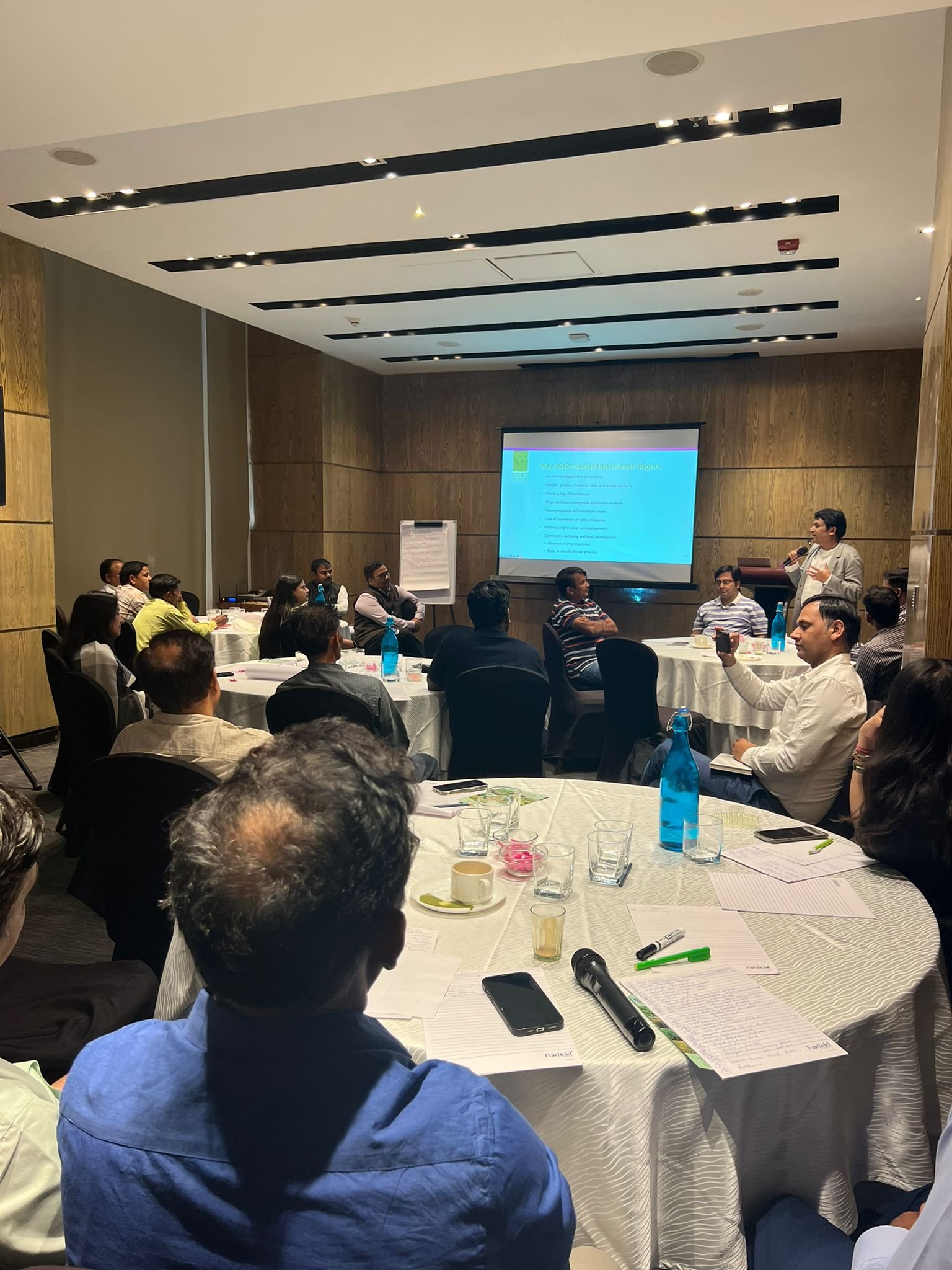
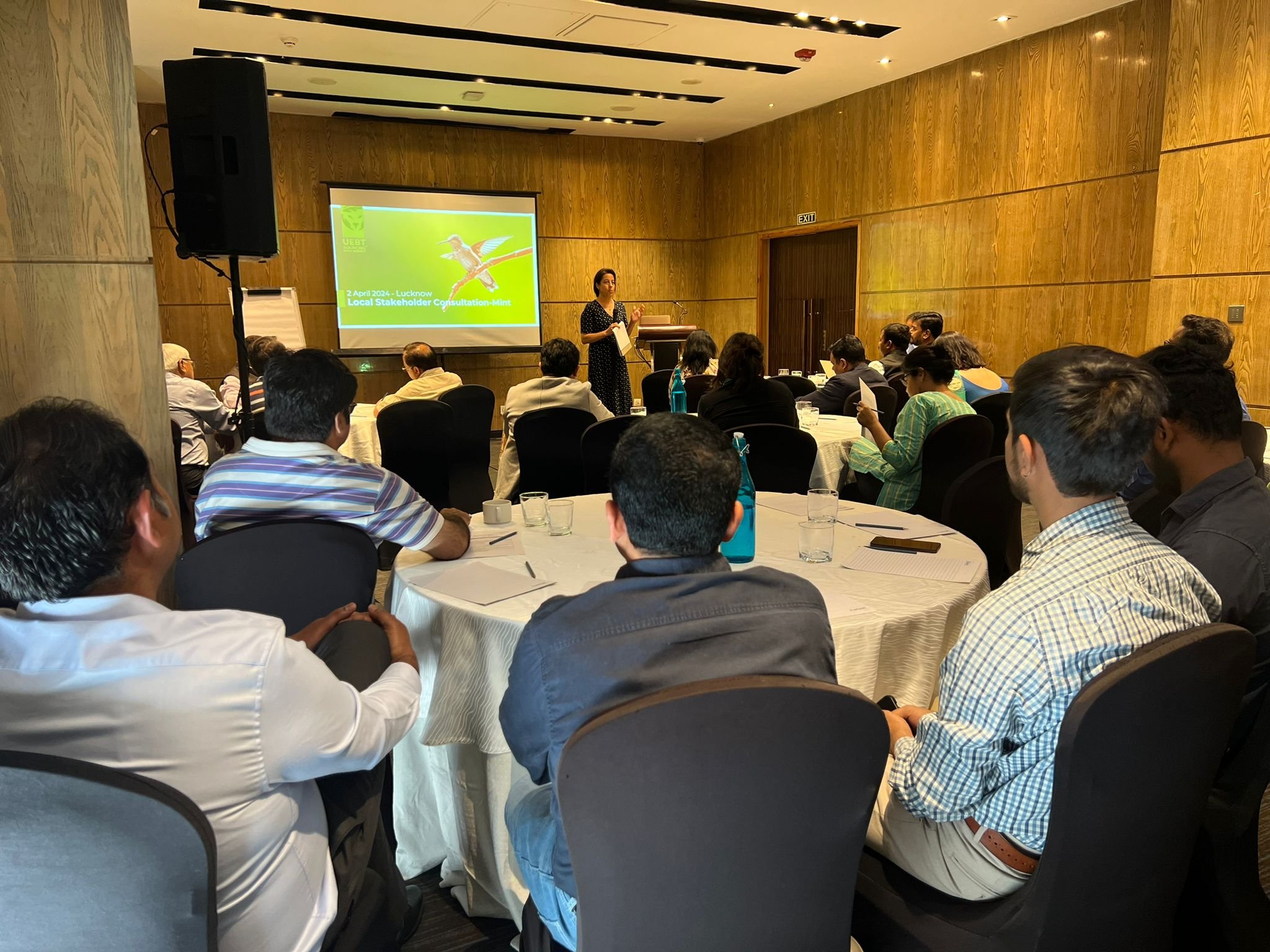
UEBT commissioned local experts to undertake research, interviews and field observations to identify responsible sourcing risks in jasmine and herbs and spices supply chains in Egypt, and jasmine and mint supply chains in India. These supply chains were selected based on their importance for the fragrance and flavour sector as a whole and the potential for sectoral collaboration on responsible sourcing practices. Research conducted by local experts provided an overview of social and environmental risks related to these supply chains, and established the basis for inclusive and participatory discussions among local stakeholders, facilitated and supported by local organisations.
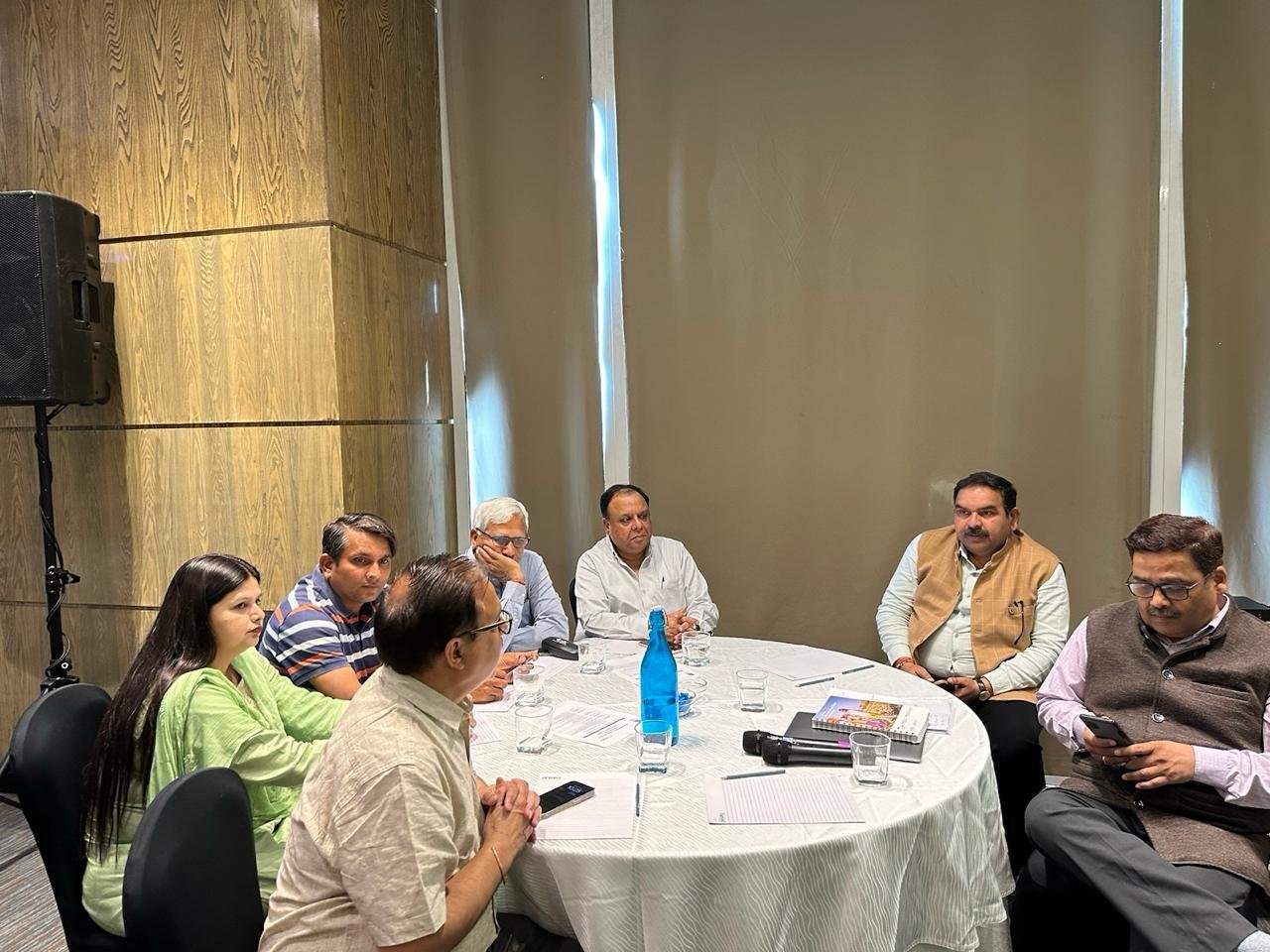
Participatory risk assessment workshops were conducted in Egypt and India. The focus was on listening to local voices and ensuring full integration of local perspectives and knowledge in the assessment and mitigation of risks such as inadequate use of pesticides, changing climate conditions, child labour, poor working conditions, and low wages and incomes. Participants discussed not only risks, but also the root causes, existing efforts and opportunities for collaboration and positive impact.
Sector guidance published
The final project activities included UEBT gathering and systematising the participatory risk assessments and publishing risk profiles to guide companies and other actors in responsible sourcing practices that consider and empower local stakeholders in addressing social and environmental risks. The risk profiles were widely disseminated and presented in a series of webinars in 2024. Additionally, follow up discussions with international stakeholders were held to encourage and define possible collaboration to address risks and improve sourcing practices.
Learn more: See the risk profiles in our Resources section under the due diligence tab.
Contact us: due-diligence@uebt.org

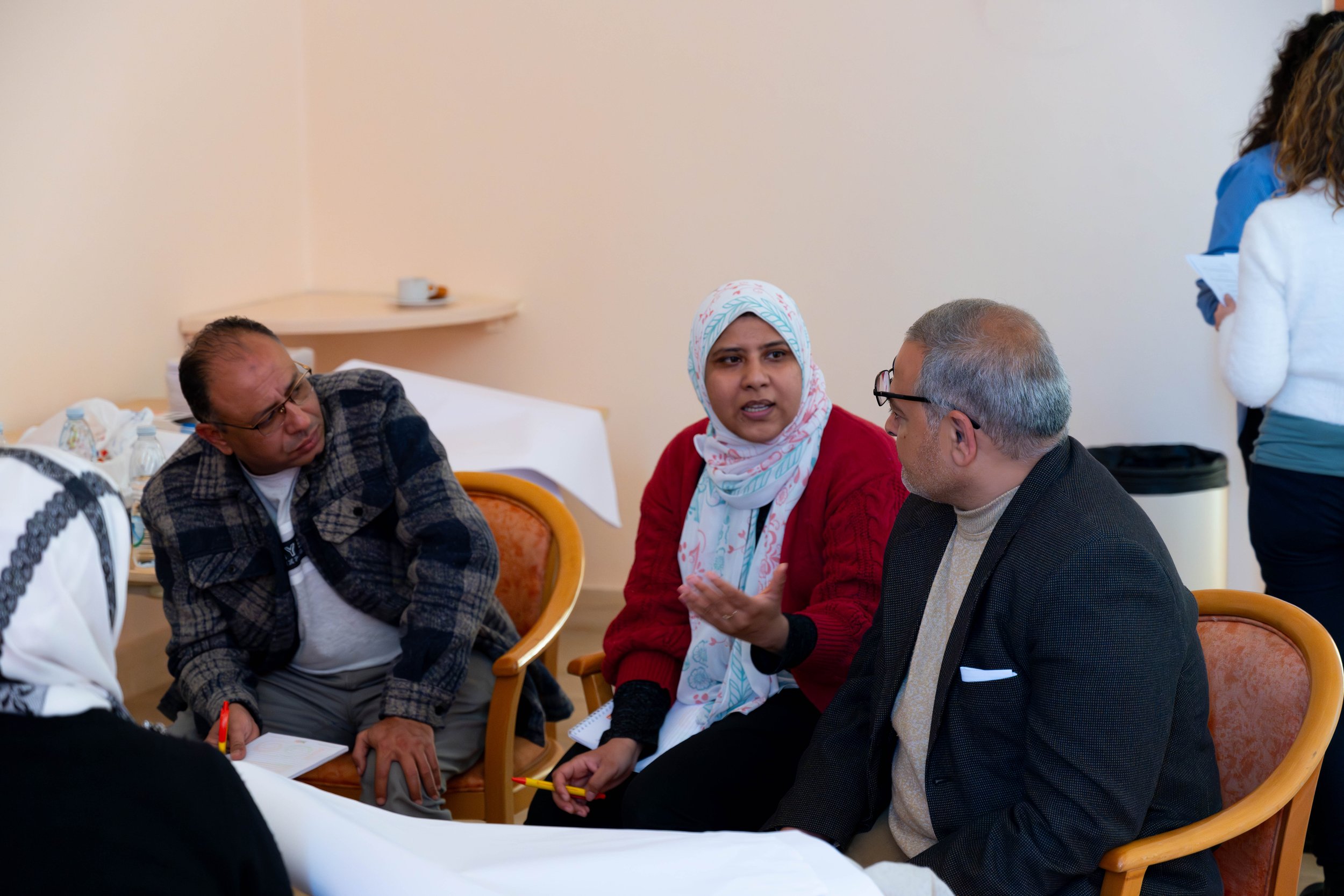
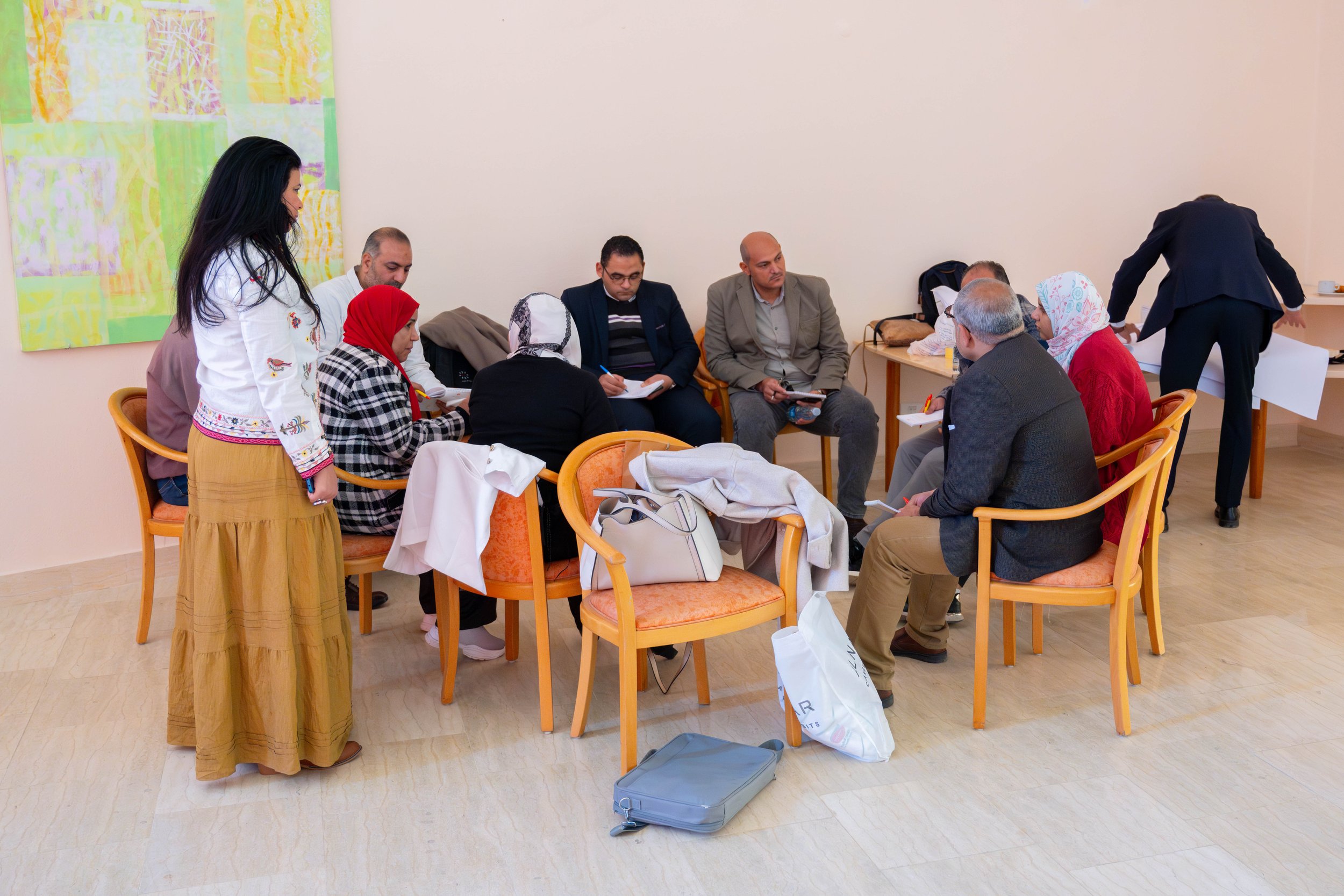
Workshops in Egypt.